بلاگ
ویب سائٹس اور سروسز کی نگرانی پر، اور ہم Uptime کیسے بناتے ہیں، اس پر مضامین۔
یہ متن ابھی آپ کی زبان میں دستیاب نہیں، اس لیے انگریزی میں دکھایا جا رہا ہے۔
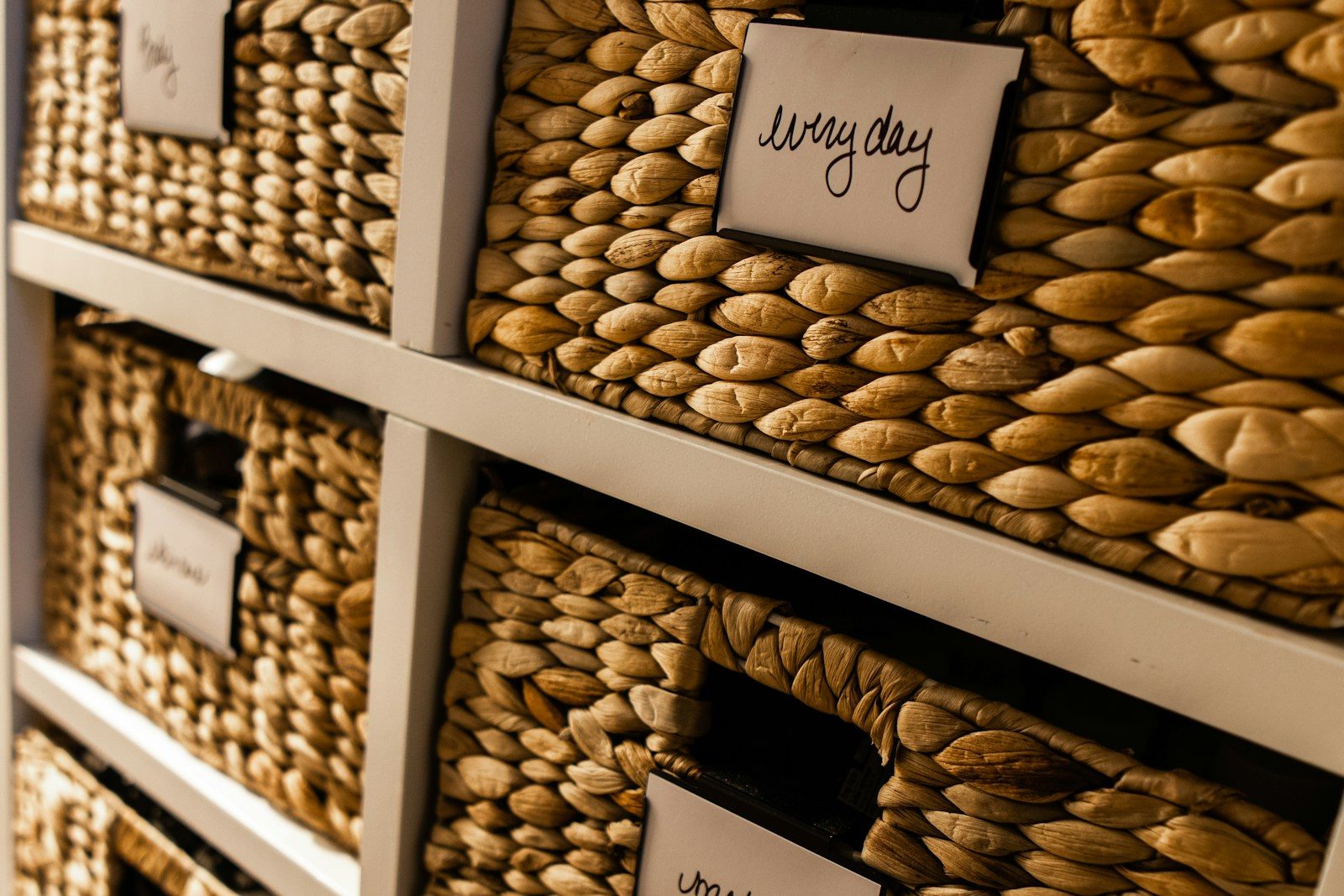
Keeping many monitors in order: tags and groups
Beyond two dozen monitors the list gets hard to read. How a few clear tags bring order, and how they show you faster where to look during an incident.
مضمون پڑھیں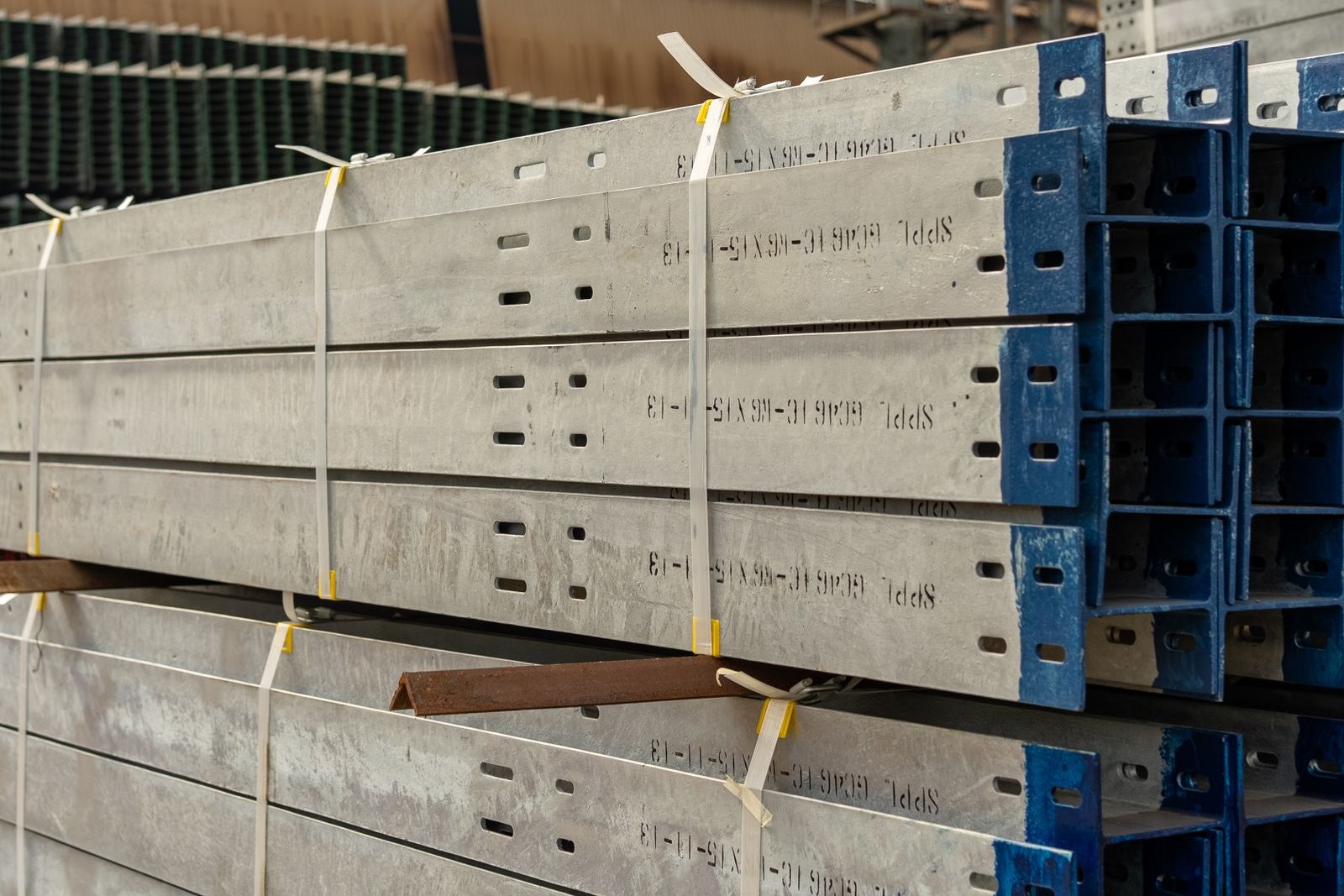
In practice: when an express promise depends on the website
A metal and building-materials trader promises delivery in the shortest time. Which paths it monitors so the promise holds when nobody is looking.
مضمون پڑھیں
In practice: one developer, five projects, one overview
Anyone who looks after several client projects needs one place that says what is running. How to keep five very different applications in view with a handful of monitors.
مضمون پڑھیں
Why a monitoring service must not check internal addresses
A monitor calls addresses that customers enter, from our server. That is useful and dangerous at the same time. How Uptime protects itself against SSRF.
مضمون پڑھیں
Two-factor sign-in and “remember this browser”
An authenticator app protects your account on top of the email code. How “remember this browser for 30 days” works and why it is deliberately limited.
مضمون پڑھیں
Uptime in 13 languages: more than translating
From language URLs to plural forms to Arabic and Urdu written right to left: what it takes to make an interface truly multilingual.
مضمون پڑھیں
How often should you check a website?
The check interval decides how soon you hear about an outage and how many false alarms you get. Here is how to pick the right value.
مضمون پڑھیں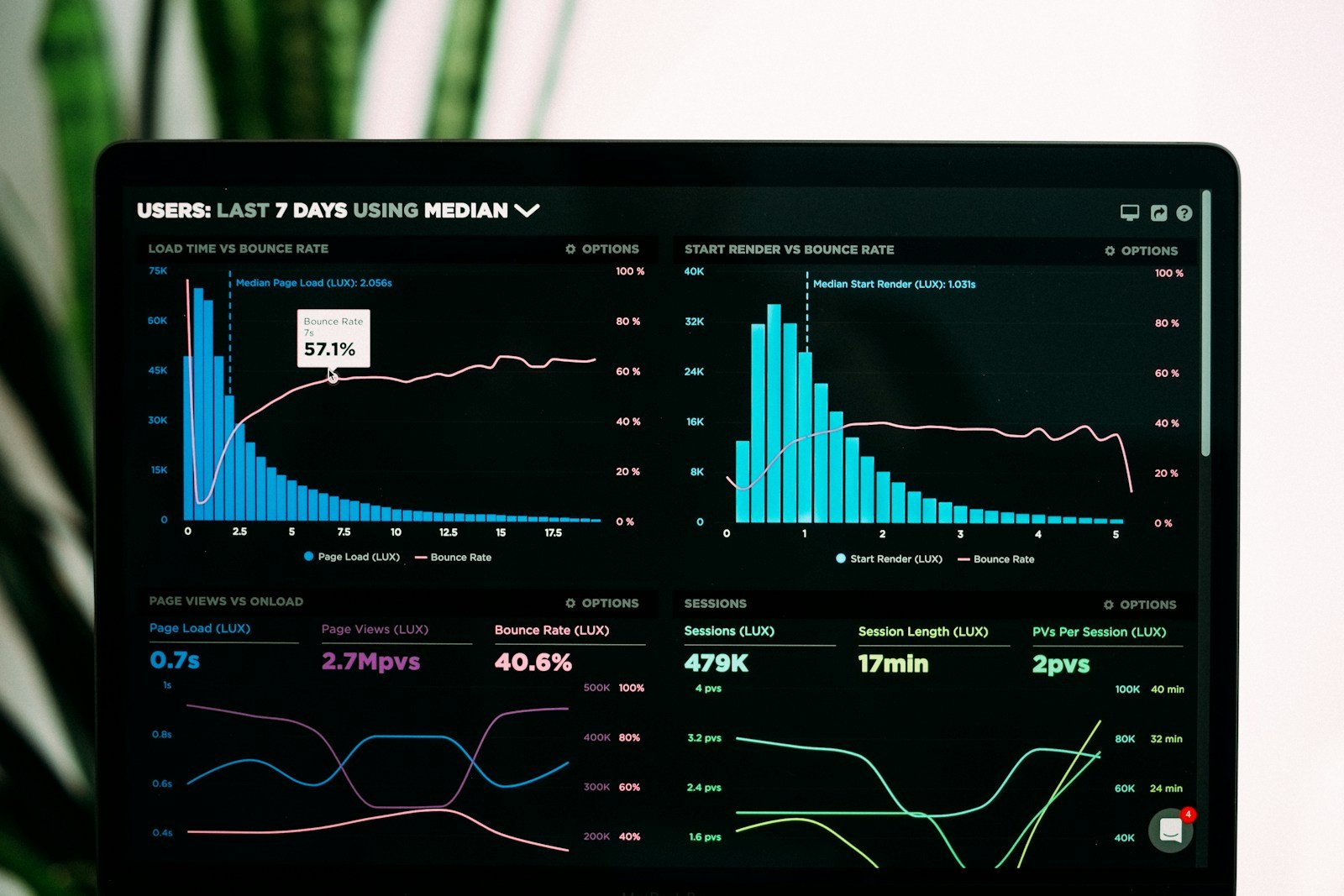
What an uptime check sees – and what it does not
HTTP, TCP, ping and DNS answer different questions. Knowing what a check really measures helps you choose the right monitor.
مضمون پڑھیں
Why Uptime does without passwords
At Uptime you sign in with a code by email. Why we built it that way, and what you should still look out for.
مضمون پڑھیں